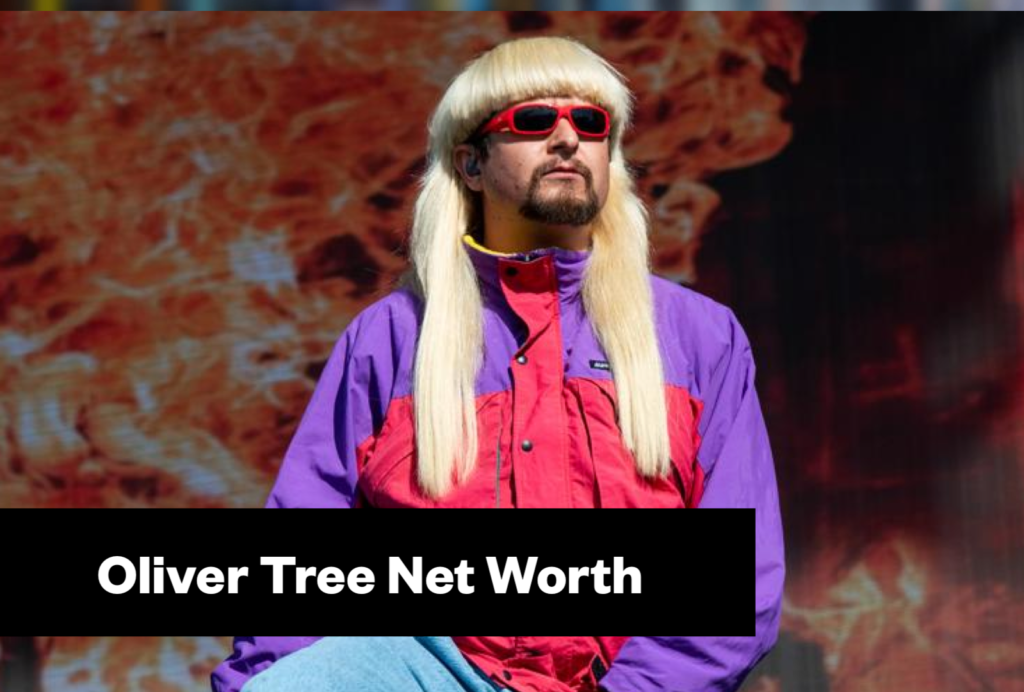
Oliver Tree’s estimated net worth, music earnings, streaming income, tours, YouTube revenue, merchandise, albums and creative career explained.
Key Highlights
- Oliver Tree was an American musician, songwriter, producer, filmmaker and internet personality.
- His estimated net worth was around $4 million, based on public wealth estimates.
- His income came from music streaming, touring, YouTube, merchandise, royalties, collaborations and creative projects.
- He became widely known for songs such as “Life Goes On”, “Miss You”, “Alien Boy”, “Hurt” and “Cash Machine”.
- Spotify shows his audience at more than 11 million monthly listeners.
- His financial value was strongly connected to his unusual image, digital fan base, music catalogue and live performance brand.
- Recent reports in June 2026 made his career legacy a major topic of public interest.
Introduction
Oliver Tree built one of the most unusual careers in modern alternative pop. He was not only a singer or songwriter. He was also a visual performer, video creator, producer, comedian-style entertainer and internet personality who turned his image into a major part of his music brand.
His estimated net worth attracts attention because his career did not follow the normal pop-star formula. Oliver Tree became known through a mix of viral music, strange visuals, emotional songwriting, online humour, scooter culture, bold outfits and unpredictable public behaviour. That combination helped him stand out in a crowded music industry.
His wealth was not built from one single source. Like many modern musicians, Oliver Tree earned from streaming platforms, live shows, YouTube, merchandise, music publishing, collaborations and brand visibility. His songs reached millions of listeners, while his videos and stage persona helped him build a loyal fan base.
Public estimates place Oliver Tree’s net worth at around $4 million. This figure should be understood as a public estimate based on his visible career, not as a private financial statement. The stronger part of his financial profile is the career activity behind the estimate: millions of monthly listeners, viral songs, touring activity, music videos, albums and a recognisable public image.
Quick Profile Table
| Detail | Information |
|---|---|
| Full Name | Oliver Tree Nickell |
| Stage Name | Oliver Tree |
| Profession | Musician, singer, songwriter, producer, filmmaker and internet personality |
| Nationality | American |
| Date of Birth | 29 June 1993 |
| Birthplace | Santa Cruz, California, United States |
| Known For | Alternative pop music, viral videos, eccentric fashion and visual storytelling |
| Estimated Net Worth | Around $4 million |
| Main Income Sources | Streaming, touring, YouTube, merchandise, royalties and collaborations |
| Popular Songs | “Life Goes On”, “Miss You”, “Alien Boy”, “Hurt” and “Cash Machine” |
| Spotify Audience | More than 11 million monthly listeners |
| Major Albums | Ugly Is Beautiful, Cowboy Tears, Alone in a Crowd |
| 2026 Project | Love You Madly Hate You Badly |
Oliver Tree’s Estimated Net Worth
Oliver Tree’s estimated net worth was around $4 million. This estimate is supported by visible career signals such as streaming numbers, touring activity, music releases, YouTube reach, merchandise potential and a distinctive brand identity.
For a musician, net worth is not calculated only from song plays. Music income can pass through several layers before it reaches the artist. Royalties may be shared between record labels, publishers, songwriters, producers, distributors and managers. Tour income also has expenses such as travel, staff, production, marketing, equipment and venue-related costs.
This is why Oliver Tree’s public financial profile should be understood carefully. His catalogue attracted millions of listeners, but gross music revenue is not the same as personal wealth. The $4 million estimate reflects his career value after considering his position as a successful alternative pop artist with a global fan base.
His net worth story is also different from that of a traditional singer because Oliver Tree built his career around a full entertainment identity. His music, videos, fashion, interviews, live shows and humour all worked together. That made his brand memorable and helped turn attention into income.
Why Oliver Tree Was a Strong Net Worth Topic
Oliver Tree is a stronger topic than many smaller artists because there are clear public indicators of income and popularity.
He had millions of monthly listeners on Spotify, viral songs, a recognisable video style, international tour activity and a catalogue that continued to attract fans. He was also active across YouTube and social media, which helped increase his reach beyond music streaming alone.
His career also had several monetisable layers:
- streaming royalties
- music publishing
- YouTube views
- concert tickets
- tour merchandise
- brand identity
- collaborations
- album sales
- licensing opportunities
- online audience growth
That gives enough substance for a helpful net worth article. The article does not need to depend only on a guessed wealth figure because his income sources and career activity can be explained clearly.
Music Streaming Income
Streaming was one of Oliver Tree’s most important income sources. His songs reached large audiences on platforms such as Spotify, Apple Music, YouTube Music and other digital services.
Spotify shows his monthly audience at more than 11 million listeners. That kind of audience can create steady royalty income, especially when popular songs continue to appear in playlists, social media clips and fan-created content.
However, streaming income is usually shared. The full payment from a stream does not always go directly to the artist. Depending on the contract, money may be divided between the label, publisher, distributors, songwriters and other rights holders.
For Oliver Tree, streaming was still a major part of his financial profile because his music worked well online. Songs such as “Life Goes On”, “Miss You”, “Alien Boy” and “Hurt” had strong replay value and helped keep his catalogue visible.
YouTube and Video Revenue
Oliver Tree’s visual identity was one of his strongest assets. Many musicians release music videos, but Oliver Tree used videos as part of a larger creative world.
His videos often mixed comedy, emotion, unusual fashion and exaggerated characters. This helped his content spread beyond normal music audiences. People who discovered him through a funny clip or strange image could later become music listeners, concert attendees or merchandise buyers.
YouTube can generate income through adverts, music video monetisation and official artist content. It also supports other revenue streams by sending fans to streaming platforms, tour announcements and merchandise stores.
For Oliver Tree, YouTube was not just a place to post songs. It was a major part of how he built his public image.
Touring and Live Shows
Touring was another important income source. Live shows can generate money through ticket sales, festival bookings, VIP packages and merchandise sold at venues.
Oliver Tree’s concerts were not only music performances. They were theatrical experiences built around his unusual personality. Fans attended to hear the songs, but they also came for the character, humour and unpredictability.
Touring can be expensive, especially for artists who travel internationally. Costs may include flights, buses, hotels, crew, stage production, sound equipment, lighting, promotion and insurance. Even with those expenses, a successful tour can add strongly to an artist’s income.
His 2026 world tour activity also showed that he still had international demand shortly before the recent reports about his death.
Merchandise and Brand Value
Merchandise likely played a meaningful role in Oliver Tree’s income. Artists with strong visual identities often have better merchandise potential because fans want items that represent the artist’s world.
Oliver Tree’s bowl-cut image, oversized clothing, scooter references and absurd humour made his brand easy to recognise. That type of visual identity can work well on shirts, hoodies, posters, accessories and tour products.
Merchandise is valuable because it allows fans to support an artist directly while also expressing their connection to the music. For performers with loyal fan communities, merchandise can become a major revenue stream.
His brand value came from being unforgettable. Even people who did not follow his full catalogue could often recognise his look and style.
Albums and Music Catalogue
Oliver Tree’s catalogue gave him long-term earning potential. His debut album, Ugly Is Beautiful, helped define his early mainstream identity. The project mixed alternative pop, electronic sounds, humour and emotional frustration.
His later albums, including Cowboy Tears and Alone in a Crowd, showed his interest in changing themes and characters. Instead of presenting himself the same way forever, he often shifted his image while keeping the strange energy that fans expected.
His 2026 project, Love You Madly Hate You Badly, added a recent chapter to his career. New music can support streaming activity, media coverage, touring and fan engagement.
A music catalogue can continue earning money after release through streaming, licensing, playlist placement, fan rediscovery and social media trends. For Oliver Tree, this catalogue remains one of the clearest parts of his financial legacy.
Collaborations and Wider Audience Reach
Collaborations also helped Oliver Tree reach new listeners. His song “Miss You”, connected with Robin Schulz, became one of his most widely recognised tracks internationally.
Collaborations can increase an artist’s audience because they introduce the artist to fans of another musician, producer or genre. They can also create additional royalty streams when a song performs well across platforms.
Oliver Tree’s music moved between alternative pop, electronic music, indie sounds and internet culture. This made him flexible enough to connect with different audiences.
Record Deals and Music Business Structure
Oliver Tree’s career included major-label activity, including work linked with Atlantic Records. A major label can help an artist with promotion, distribution, radio support, playlisting and industry access.
However, label deals can also affect how revenue is shared. Artists may not keep all income from streams, sales or licensing if the label owns or controls certain rights.
This is an important part of understanding Oliver Tree’s net worth. A popular artist can have millions of listeners, but the final personal income depends on contract terms, publishing ownership, advances, recoupment, management fees and expenses.
His financial story is therefore not just about popularity. It is also about how modern music business structures work.
Net Worth vs Streaming Numbers
Oliver Tree’s estimated net worth should not be compared directly with his Spotify numbers. Millions of monthly listeners do not automatically mean that an artist receives millions of dollars personally every month.
Streaming payments are usually small per play and are divided across rights holders. Also, an artist may have to pay managers, agents, lawyers, producers, touring staff and other professionals.
This is why a public estimate of around $4 million can still make sense even when the artist has a large digital audience. Net worth is what may remain after income, expenses, taxes, investments and business arrangements are considered.
For readers, this is an important lesson. Online popularity and personal wealth are connected, but they are not the same thing.
Lifestyle and Public Image
Oliver Tree’s public image was not based mainly on luxury. He was known more for creativity, humour, unusual fashion and performance art.
His style was deliberately strange. The haircut, clothes, scooter references and awkward public character all helped him create a world around his music. This gave him a stronger identity than many artists who rely only on songs.
His image worked because it felt both funny and emotional. His music often explored frustration, heartbreak and personal struggle, while his visuals made those themes look absurd, colourful and memorable.
That mix of sincerity and comedy helped him build a devoted audience.
Recent Reports and Career Legacy
Recent reports in June 2026 stated that Oliver Tree died at age 32 while in Brazil during his world tour. For fans, the news created renewed attention around his music, career and influence.
A respectful look at his financial legacy should focus on what he built during his lifetime. He created a recognisable music brand, released successful songs, toured internationally and built a digital audience that continued to support his work.
His career showed that an artist does not need to fit a traditional pop image to succeed. Oliver Tree used weirdness, humour and visual storytelling as strengths. That is part of why his legacy remains meaningful.
Financial Lessons From Oliver Tree’s Career
Oliver Tree’s career offers useful lessons about modern entertainment income.
First, a strong identity can create financial value. His look and personality made him memorable in a crowded market.
Second, streaming success works best when supported by visuals, touring and fan culture. Oliver Tree did not depend only on audio. He built a complete creative brand.
Third, merchandise can become more valuable when an artist has a recognisable style. Fans often buy into the image as much as the music.
Fourth, online attention can support real-world income. Viral videos and social media interest can lead to streams, ticket sales and merchandise purchases.
Finally, music wealth is more complicated than public numbers suggest. Streams, views and fame matter, but contracts, rights ownership and expenses shape the final financial outcome.
Conclusion
Oliver Tree’s estimated net worth was around $4 million, supported by streaming income, touring, YouTube revenue, merchandise, collaborations, royalties and a strong creative brand. His career stood out because he built more than a music catalogue. He created a full visual and comedic identity that fans could recognise instantly.
His songs reached millions of listeners, his videos attracted attention, and his live shows turned his unusual personality into part of the performance. While his exact private finances were not public, the available career signals show that he built a successful modern music business around originality.
Oliver Tree’s wealth story is not only about the amount attached to his name. It is about how a creative artist used music, humour, visuals and internet culture to build a lasting public identity.
FAQs
What was Oliver Tree’s net worth?
Oliver Tree’s estimated net worth was around $4 million, based on public wealth estimates.
How did Oliver Tree make his money?
He made money through music streaming, touring, YouTube, merchandise, music royalties, collaborations and creative projects.
What songs was Oliver Tree known for?
He was known for songs such as “Life Goes On”, “Miss You”, “Alien Boy”, “Hurt” and “Cash Machine”.
How many Spotify monthly listeners did Oliver Tree have?
Spotify shows Oliver Tree with more than 11 million monthly listeners.
Why was Oliver Tree’s brand valuable?
His brand was valuable because he combined music, comedy, fashion, videos, internet culture and live performance into a highly recognisable identity.