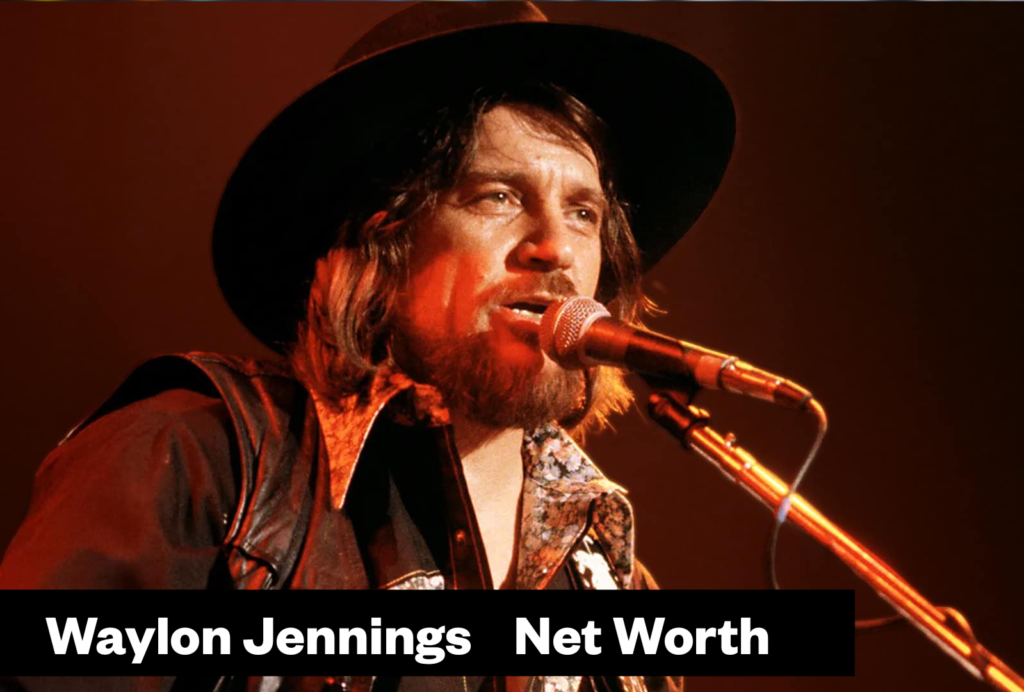
Waylon Jennings net worth, music royalties, album sales, touring income, outlaw country success, estate value and lasting country music legacy explained.
Key Highlights
- Waylon Jennings was one of the most important artists in outlaw country music.
- His estimated net worth was around $2 million at the time of his death in 2002.
- His income came from record sales, touring, songwriting, publishing, TV work, royalties and collaborations.
- He was a major force behind the outlaw country movement alongside Willie Nelson, Johnny Cash, Jessi Colter and others.
- His best-known songs include “Good Hearted Woman”, “Luckenbach, Texas”, “Mammas Don’t Let Your Babies Grow Up to Be Cowboys” and “Theme from The Dukes of Hazzard”.
- His catalogue continues to hold value through streaming, reissues, licensing and posthumous releases.
- The 2025 release of Songbird, a collection of previously unheard recordings, renewed interest in his music and estate value.
Quick Answer
Waylon Jennings’ net worth was estimated at about $2 million when he died in 2002. His wealth came mainly from country music sales, touring, songwriting, royalties, television work, collaborations and long-term catalogue income. Although that figure may look modest compared with modern country stars, Jennings built a powerful music legacy that continues to generate value through streaming, reissues, licensing and renewed public interest.
Introduction
Waylon Jennings was not just a country singer. He was one of the musicians who changed the sound, attitude and business direction of country music. His deep voice, rebellious style and refusal to follow Nashville’s strict studio system helped make him one of the leading names in outlaw country.
Interest in Waylon Jennings’ net worth remains strong because his career was both commercially successful and historically important. He sold millions of records, toured widely, worked with major country legends, recorded songs that still receive attention and became part of one of the most recognisable movements in American music.
His estimated net worth at the time of his death in 2002 was around $2 million. That number should be understood within the context of his era, his personal life, record contracts, touring costs, taxes, health challenges and the music business structure of the time.
Jennings’ real financial story is bigger than one estimate. His value can also be seen in his catalogue, influence, recordings, publishing, posthumous releases and the continuing respect he receives from country musicians and fans.
Quick Profile Table
| Detail | Information |
|---|---|
| Full Name | Waylon Arnold Jennings |
| Profession | Singer, songwriter, musician and actor |
| Nationality | American |
| Date of Birth | 15 June 1937 |
| Birthplace | Littlefield, Texas, United States |
| Date of Death | 13 February 2002 |
| Age at Death | 64 |
| Genre | Country, outlaw country, country rock |
| Estimated Net Worth at Death | Around $2 million |
| Main Income Sources | Music sales, touring, songwriting, royalties, TV work and collaborations |
| Known For | Outlaw country movement and his deep baritone voice |
| Famous Songs | “Good Hearted Woman”, “Luckenbach, Texas”, “Theme from The Dukes of Hazzard” |
| Major Group | The Highwaymen |
| Hall of Fame Status | Country Music Hall of Fame inductee |
Waylon Jennings’ Estimated Net Worth
Waylon Jennings’ estimated net worth was around $2 million at the time of his death in 2002. This estimate reflects his long music career, but it does not fully capture the cultural and catalogue value attached to his name.
For a country artist from Jennings’ generation, net worth can be difficult to compare with modern musicians. Today’s artists may earn from streaming, brand deals, large festival circuits, social media, luxury sponsorships and global merchandising. Jennings built most of his wealth through older music industry channels such as record sales, touring, publishing, radio play and television-related work.
His net worth also needs context. Jennings lived through a time when record labels often controlled many parts of the business. Artists did not always own their masters or receive the same level of long-term income that independent musicians may negotiate today. He also had personal and professional costs that affected his finances.
Even so, his catalogue has long-term value. His songs continue to be streamed, purchased, licensed and rediscovered by younger country fans. That means the financial story of Waylon Jennings did not end with his death.
Why Waylon Jennings’ Wealth Story Still Matters
Waylon Jennings remains a strong net worth topic because his financial value is tied to both earnings and influence.
Some artists are wealthy because of one hit song. Jennings was different. He helped shape an entire movement. Outlaw country was not only a music style. It was also a business and creative rebellion. Artists like Jennings wanted more control over sound, production, image and song choices.
That creative independence later influenced many country, rock and Americana artists. His career showed that an artist’s brand could become more powerful when it felt authentic.
This matters financially because legacy creates value. A musician whose work continues to matter can earn through catalogue sales, streaming, tribute projects, documentaries, vinyl reissues, merchandise and licensing.
Jennings’ wealth at death may not look extremely high by modern celebrity standards, but his estate and catalogue remain part of a living country music economy.
How Waylon Jennings Made Money
Waylon Jennings made money from several music and entertainment income sources.
Record Sales
Record sales were one of his most important income sources during his peak years. Jennings released many albums across his career, and several of them became major country music successes.
His compilation and studio albums helped build long-term commercial strength. His Greatest Hits album became one of his most successful releases and remained an important part of his catalogue.
During the vinyl, cassette and CD eras, album sales were a major measure of artist success. A strong-selling catalogue could generate income through royalties, reissues and long-term fan demand.
Touring and Live Performances
Touring was another major part of Jennings’ earnings. Country music artists often built careers through constant travel, live shows, fairs, theatres, clubs, arenas and festival appearances.
Jennings had a strong live reputation because of his voice, attitude and band sound. Fans did not only come to hear polished studio versions. They came to experience the outlaw energy that made him different from smoother Nashville performers.
Touring income can be profitable, but it also carries expenses. Artists pay for musicians, travel, crew, equipment, management, promotion and other costs. This is one reason career earnings and net worth are not always the same thing.
Songwriting and Publishing
Songwriting and publishing helped support Jennings’ financial profile. When an artist writes or co-writes songs, they may earn publishing royalties when the music is sold, streamed, performed, broadcast or licensed.
Jennings was connected to songs that became country standards. Some were written by him, while others were made famous through his interpretation.
Publishing can be one of the most valuable parts of a musician’s career because songs can keep earning long after the original recording period.
Television and Theme Song Income
Waylon Jennings also earned from television work. His most famous TV connection was The Dukes of Hazzard. He narrated the show and performed its theme song, “Good Ol’ Boys”.
That theme became one of the most recognisable parts of his public image. Television work can create income through performance fees, royalties, reuse payments and long-term association with a popular programme.
For Jennings, the Dukes of Hazzard connection introduced his voice to audiences who may not have followed country music closely.
Collaborations
Collaborations added to Jennings’ income and legacy. His work with Willie Nelson was especially important. Songs and albums connected to the pair became major parts of country music history.
He was also a member of The Highwaymen alongside Johnny Cash, Willie Nelson and Kris Kristofferson. That group brought together four powerful country identities and created a lasting supergroup brand.
Collaborations can increase income by combining fan bases, expanding touring opportunities and creating recordings with long-term catalogue value.
Outlaw Country and Financial Independence
Waylon Jennings’ financial story cannot be separated from outlaw country.
Before the outlaw movement, many Nashville artists worked under tight control from producers, labels and studio systems. Jennings wanted more freedom over his sound and recordings. He pushed for creative control, used his own musicians and helped change expectations for country artists.
This mattered financially because control can affect income. Artists who have more control over recordings, production and image may also have stronger bargaining power.
Outlaw country was not only about rebellion for style. It was about ownership, authenticity and business power. Jennings helped prove that country fans wanted artists who sounded real, rough and independent.
His role in this shift increased his long-term value because he became more than a performer. He became a symbol of creative freedom.
Album Sales and Catalogue Value
Waylon Jennings’ catalogue remains one of his strongest financial assets. His albums and songs continue to reach listeners through streaming platforms, vinyl reissues, digital downloads, radio, documentaries and playlists.
A music catalogue is valuable when people keep listening after the original release period. Jennings’ songs have that kind of staying power because they are connected to a major era in country music.
His catalogue value is supported by:
- classic country radio
- streaming playlists
- vinyl collectors
- tribute albums
- country documentaries
- TV and film licensing
- posthumous releases
- younger artists citing his influence
The release of Songbird in 2025 also showed that unreleased Jennings recordings still attract public interest. When a late artist’s unreleased music receives attention, it can bring new listeners back to older recordings as well.
Songbird and Renewed Interest in Waylon Jennings
The 2025 release of Songbird gave Waylon Jennings’ catalogue a fresh chapter more than two decades after his death. The project included previously unheard recordings curated and produced with involvement from his son Shooter Jennings.
This kind of release matters for estate and legacy value. New posthumous music can introduce a classic artist to younger audiences, create media coverage and increase streams of older songs.
For Waylon Jennings, Songbird also reminded fans that his recorded legacy still had unreleased depth. It showed that his music was not only a historical archive but an active catalogue with continuing commercial and cultural life.
Posthumous releases can be financially meaningful when handled carefully. They may generate income through vinyl sales, CDs, streaming, licensing and renewed merchandise interest.
Waylon Jennings Net Worth vs Music Legacy
Waylon Jennings’ estimated net worth at death does not fully represent his importance.
A net worth figure measures personal financial value at a particular time. Legacy measures cultural power, influence, catalogue life and long-term recognition.
Jennings’ legacy is far larger than the estimated $2 million figure. His influence can be heard in modern country, Americana, southern rock and outlaw-inspired music. Artists still refer to him as a model of independence and authenticity.
This is why legacy musicians can remain financially relevant after death. Their estates may continue earning through recordings, publishing, reissues, licensing and brand use.
For readers, this is an important point: a musician’s net worth at death may be modest compared with the long-term value of their name and catalogue.
The Dukes of Hazzard and Mainstream Recognition
Waylon Jennings’ connection to The Dukes of Hazzard helped make him familiar to a wider public. His narration and theme song gave the show a strong country identity.
“Good Ol’ Boys” became one of his signature songs. Even people who did not know his full discography often recognised his voice through the show.
This type of media exposure can increase an artist’s earning power. A television theme can create royalties, boost music sales and make the artist more visible across generations.
For Jennings, the show added another layer to his financial profile beyond albums and concerts.
The Highwaymen and Late-Career Earnings
The Highwaymen gave Waylon Jennings another major career chapter. Alongside Johnny Cash, Willie Nelson and Kris Kristofferson, he became part of one of country music’s most respected supergroups.
The group created albums, tours and performances that attracted fans of all four artists. This was financially useful because it combined legendary names into one powerful brand.
For Jennings, The Highwaymen also helped maintain his visibility later in his career. It connected his outlaw identity with other major figures who represented independence, storytelling and American roots music.
The group’s recordings and performances remain part of his catalogue value today.
Assets, Estate and Long-Term Royalties
Waylon Jennings’ estate value is shaped mainly by music rights, recordings, publishing interests, name recognition and continuing royalty streams.
A musician’s estate may earn from:
- streaming royalties
- album reissues
- publishing income
- licensing for films or television
- merchandise
- vinyl sales
- documentary use
- tribute projects
- unreleased recordings
- brand and name value
The exact structure of Jennings’ estate is private, but the income potential of his catalogue is clear. His music continues to matter, and country music fans still seek out his recordings.
His son Shooter Jennings has also played an important role in keeping his legacy active through music projects and public discussion.
Lifestyle and Public Image
Waylon Jennings’ public image was rugged, independent and deeply tied to the outlaw country movement. He did not build his brand around luxury. He built it around authenticity, rebellion and musical control.
His look, voice and attitude made him different from many polished country performers of his era. Fans connected with him because he seemed real and unfiltered.
That image became valuable. In music, a strong identity can be as important as technical ability. Jennings’ identity helped him sell records, fill shows and remain memorable decades after his peak commercial period.
He was not only a singer with hits. He was a personality who represented a particular idea of country music freedom.
Waylon Jennings Compared With Modern Country Stars
Modern country stars may earn far more money than Jennings did during his lifetime. Today’s artists benefit from larger touring markets, brand partnerships, streaming platforms, social media, festival circuits and global merchandising.
However, Jennings had something that many artists still try to build: lasting influence.
His financial numbers may be smaller than those of modern country superstars, but his role in country history is much larger than a simple wealth comparison. He helped open doors for artists who wanted creative control and a rougher, more personal sound.
Modern artists with strong independent identities owe part of that freedom to the path Jennings helped create.
Factors That Affected Waylon Jennings’ Net Worth
Several factors likely affected Waylon Jennings’ net worth during his lifetime.
Record Contracts
Older record contracts often gave labels more control than artists would prefer. This could limit long-term earnings from recordings.
Touring Costs
Touring brought in money, but it also required major expenses for travel, bands, crew and production.
Personal Expenses
Like many artists, Jennings had personal and professional costs that affected his finances.
Health Challenges
Jennings faced serious health problems later in life, including complications related to diabetes. Health issues can affect touring income, medical costs and career activity.
Catalogue Ownership
The value of a musician’s estate depends heavily on who owns the recordings and publishing rights. Catalogue ownership can make a major difference in long-term wealth.
Posthumous Demand
After an artist dies, renewed interest can increase catalogue activity. Jennings’ music has continued to attract listeners, and recent releases have added fresh attention.
Financial Lessons From Waylon Jennings’ Career
Waylon Jennings’ career offers several financial lessons.
First, creative control has value. His fight for independence helped shape his sound and strengthen his brand.
Second, catalogue income can last for decades. Songs that remain popular can keep earning long after an artist’s peak years.
Third, influence is a financial asset. Jennings’ role in outlaw country made his name valuable beyond ordinary record sales.
Fourth, net worth does not always match cultural importance. A modest estate estimate can sit beside a massive legacy.
Finally, ownership matters in music. Artists who control more of their recordings, publishing and brand can often build stronger long-term wealth.
Conclusion
Waylon Jennings’ net worth was estimated at around $2 million when he died in 2002, but his financial and cultural legacy is much larger than that figure alone. His wealth came from album sales, touring, songwriting, royalties, television work, collaborations and catalogue value.
He helped define outlaw country and changed the way many artists thought about creative freedom. His songs, voice and public image continue to influence country music long after his passing.
The 2025 release of Songbird also proved that Waylon Jennings remains commercially and emotionally relevant. His estate value continues through music royalties, reissues, streaming, licensing and renewed fan interest.
Waylon Jennings’ story shows that true music wealth is not only about money. It is also about ownership, influence, catalogue strength and the ability to remain important across generations.
FAQs
What was Waylon Jennings’ net worth when he died?
Waylon Jennings’ net worth was estimated at around $2 million when he died in 2002.
How did Waylon Jennings make his money?
He made money through record sales, touring, songwriting, music royalties, television work, collaborations and catalogue income.
What was Waylon Jennings best known for?
He was best known as a pioneer of outlaw country and for songs such as “Good Hearted Woman”, “Luckenbach, Texas” and “Theme from The Dukes of Hazzard”.
Did Waylon Jennings earn money from The Dukes of Hazzard?
Yes. He narrated the show and performed the theme song “Good Ol’ Boys”, which became one of his most recognisable works.
Why is Waylon Jennings’ music still valuable today?
His music remains valuable because of streaming, reissues, licensing, vinyl sales, posthumous releases and his lasting influence on country music.